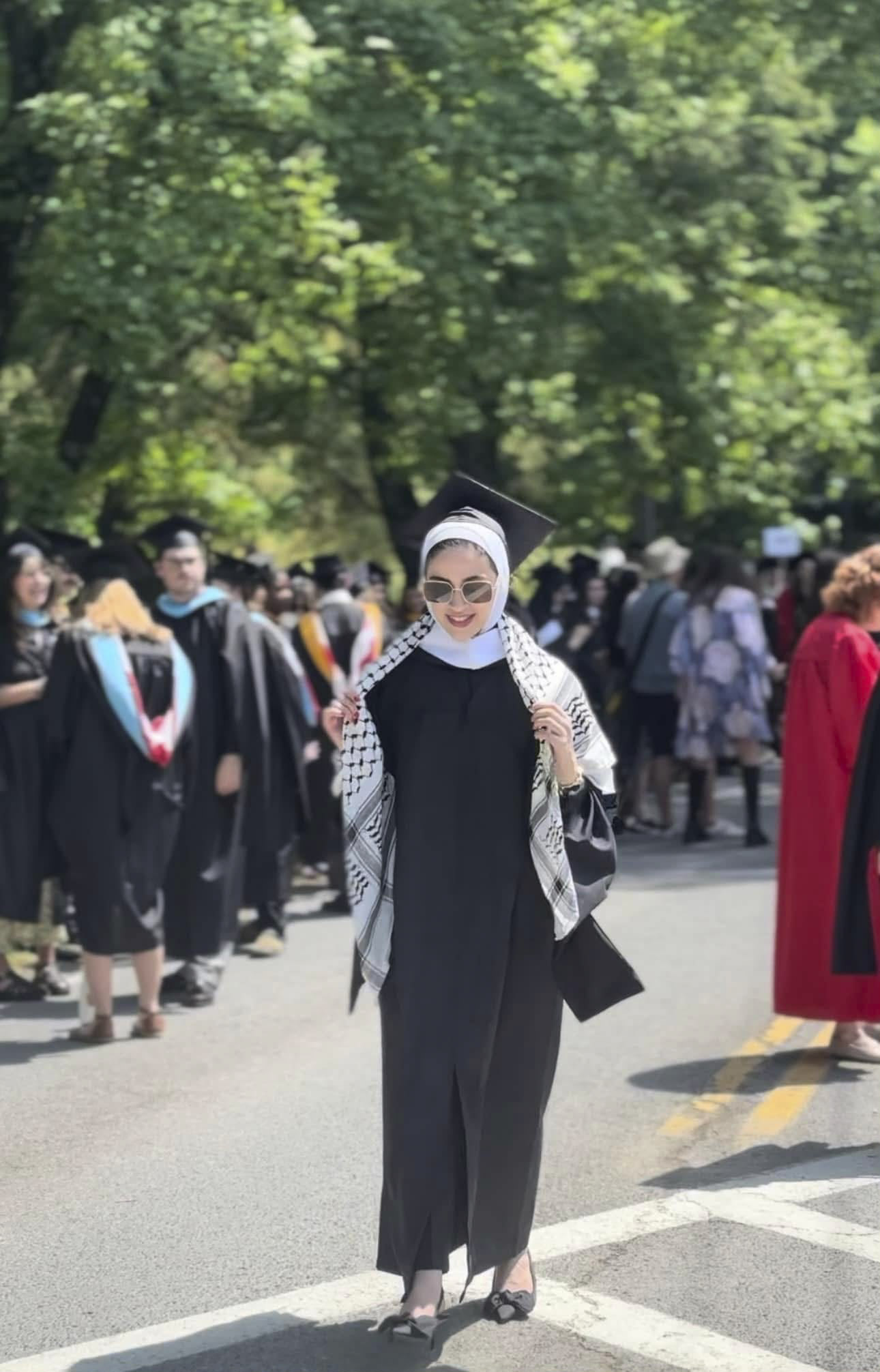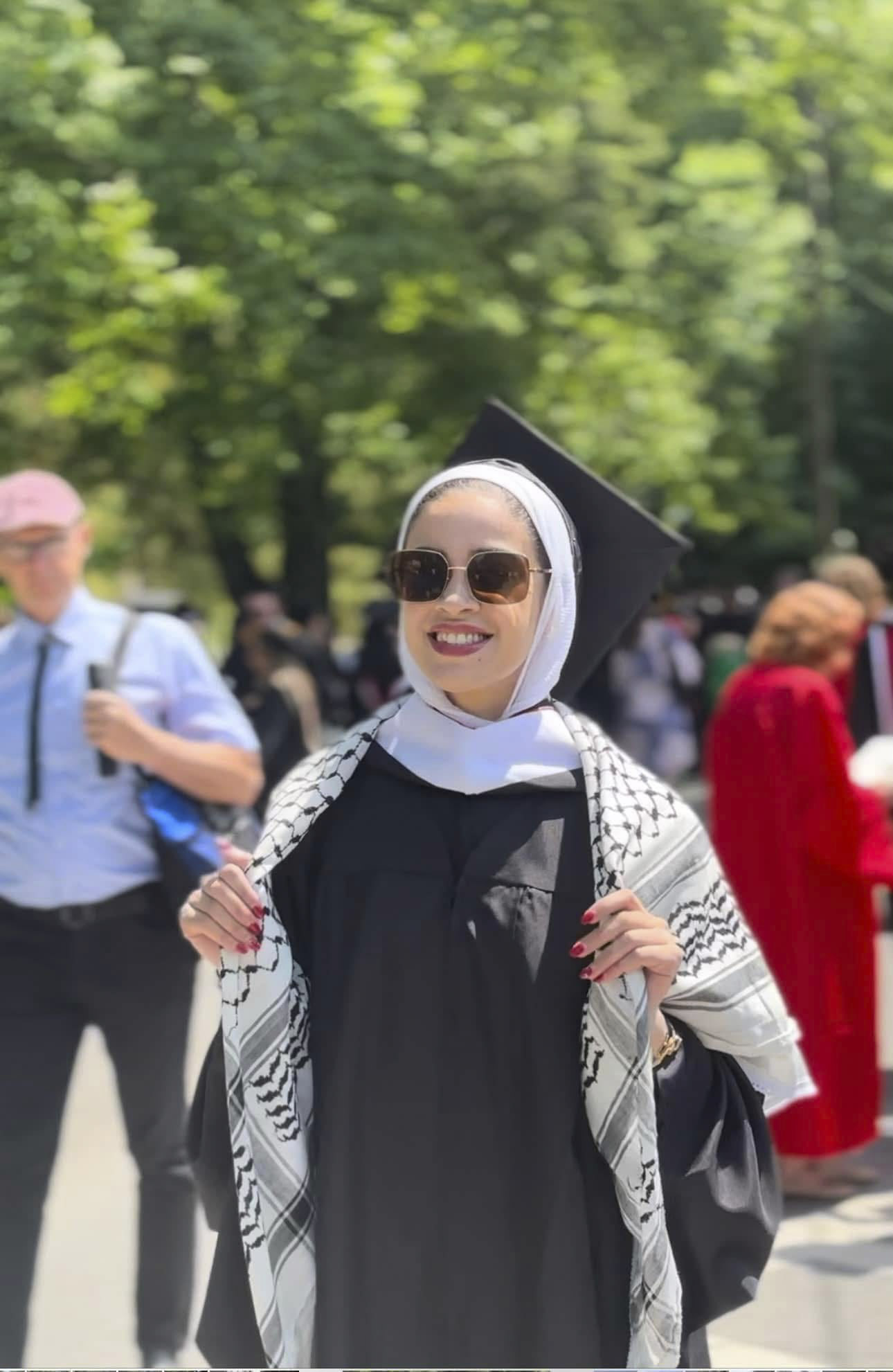


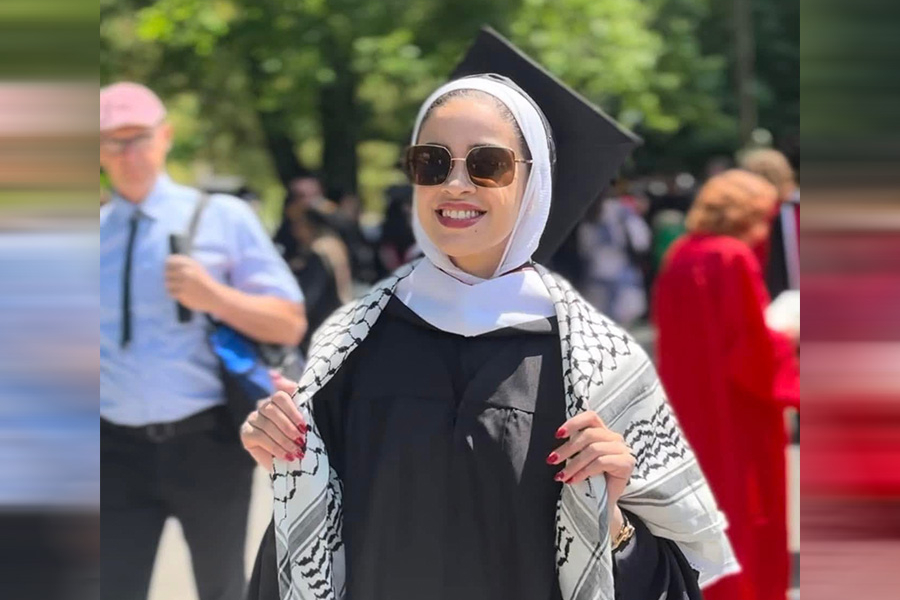
At Al-Quds Bard College (AQB), we take pride in the accomplishments of our graduates, whose academic journeys continue to inspire meaningful contributions across diverse fields. Today, we are delighted to spotlight Heba Abu Shama'a, a graduate of the International Law and Human Rights program, whose academic and professional path has led her to the forefront of humanitarian work.
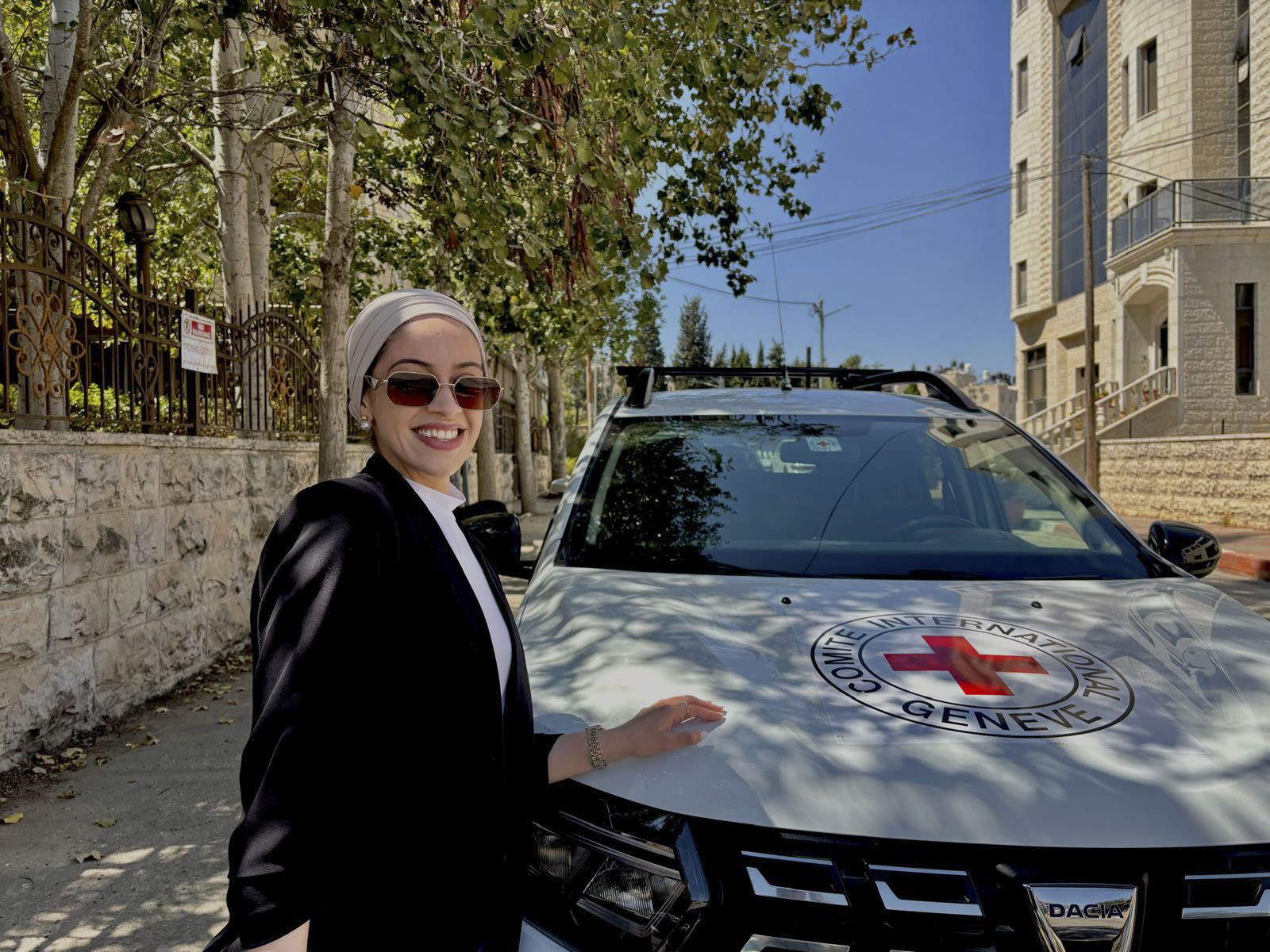
Heba currently serves as a caseworker at Central Tracing Agency’s (CTA ) with the Gaza Search Team in the Protection Department's Tracing Unit at the International Committee of the Red Cross (ICRC). In this role, she works to help locate and reconnect with missing victims in Gaza, supporting families affected by conflict and uncertainty.
We spoke with Heba about her experience at AQB, her academic journey, and the impact of her education on her career.
AQB: Tell us about your major at Al-Quds Bard College.
Heba: I majored in International Law and Human Rights at Al-Quds Bard College-Palestine. My studies focused on international legal frameworks, human rights mechanisms, and the political and social dynamics shaping our region and the broader international community.
What made AQB unique was its interdisciplinary liberal arts approach. Beyond my major, I explored political science, international relations, media studies, and social justice. This broadened my perspective and strengthened my analytical and critical thinking skills.
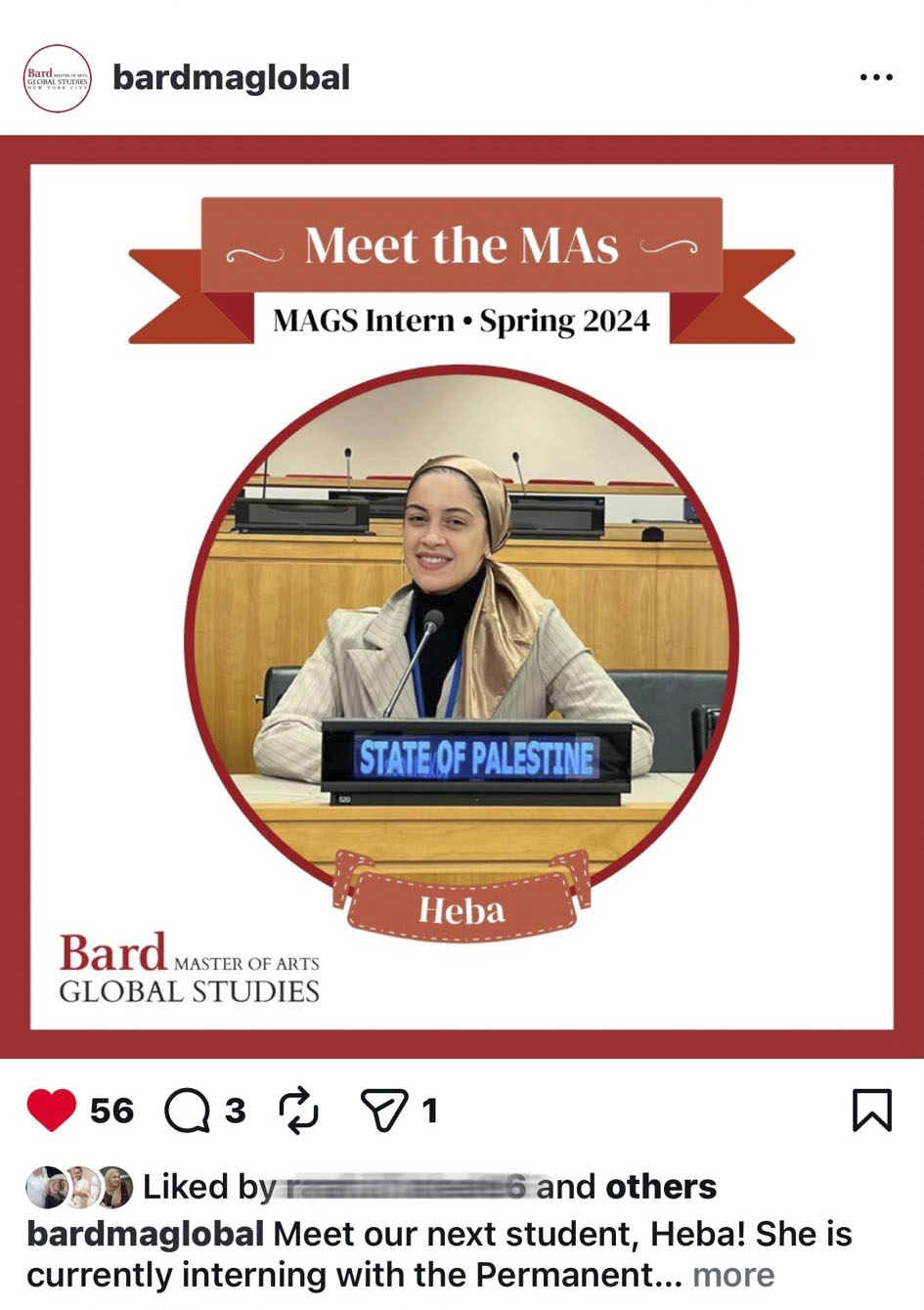
The academic foundation I gained at AQB enabled me to pursue a Dual Master's Degree in Global Studies and International Relations jointly offered by Bard College in New York and Central European University (CEU) in Austria. Throughout this journey, I was fortunate to receive generous scholarship support from Bard College, the Open Society University Network (OSUN), and the Leonard Education Organization (LE.O), for which I remain deeply grateful.
AQB: Did you pursue a minor or particular academic interests outside your major?
Heba: While I did not complete an official minor, my academic experience was highly interdisciplinary. I was particularly drawn to political science, international relations, media studies, human rights, and social justice.
Over time, I developed a special interest in media and its role in shaping public discourse, influencing policy, and advancing social change. I enrolled in several media-related courses that complemented my studies and deepened my understanding of the relationship between communication, advocacy, and public engagement.
AQB: Who were some of the faculty members who influenced your academic journey?
Heba: I was fortunate to receive invaluable academic and professional guidance from Dr. Jana Lozanoska, Professor Saida Hamad, and Dr. Danyah Jaber. Their mentorship played an important role in shaping my academic development and encouraging me to pursue my goals with confidence.
AQB: What was the title of your Senior Project?
Heba: My Senior Project was titled "Human Rights, NGOs, Media, and COVID-19."
AQB: Tell us more about your Senior Project and how it connected to your future aspirations.
Heba: I conducted my Senior Project during the COVID-19 pandemic, which inspired me to focus on a topic that was both timely and globally relevant.
The project examined the relationship between human rights advocacy, civil society organizations, and media narratives during the pandemic. Using an interdisciplinary approach that combined international human rights law, media studies, and political analysis, I explored how information was communicated to the public, how advocacy organizations responded to rapidly changing circumstances, and how governments balanced public health measures with the protection of fundamental rights.
Looking back, the project aligned closely with my professional interests in human rights, humanitarian action, and public policy. It also reinforced the importance of accountability, accurate reporting, and civil society engagement during times of crisis.
AQB: Tell us about your professional journey after graduation.
Heba: AQB provided the foundation for my professional career in human rights, humanitarian action, and international affairs.
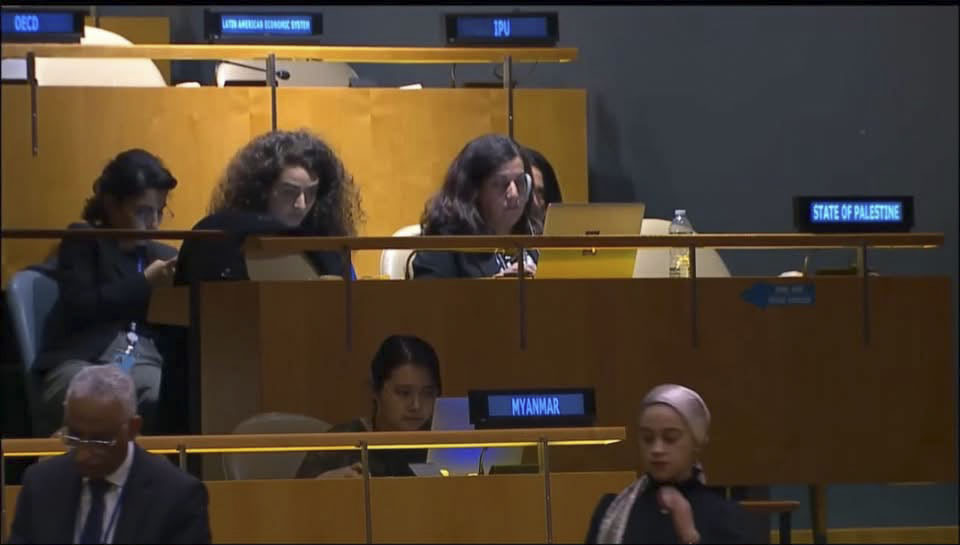
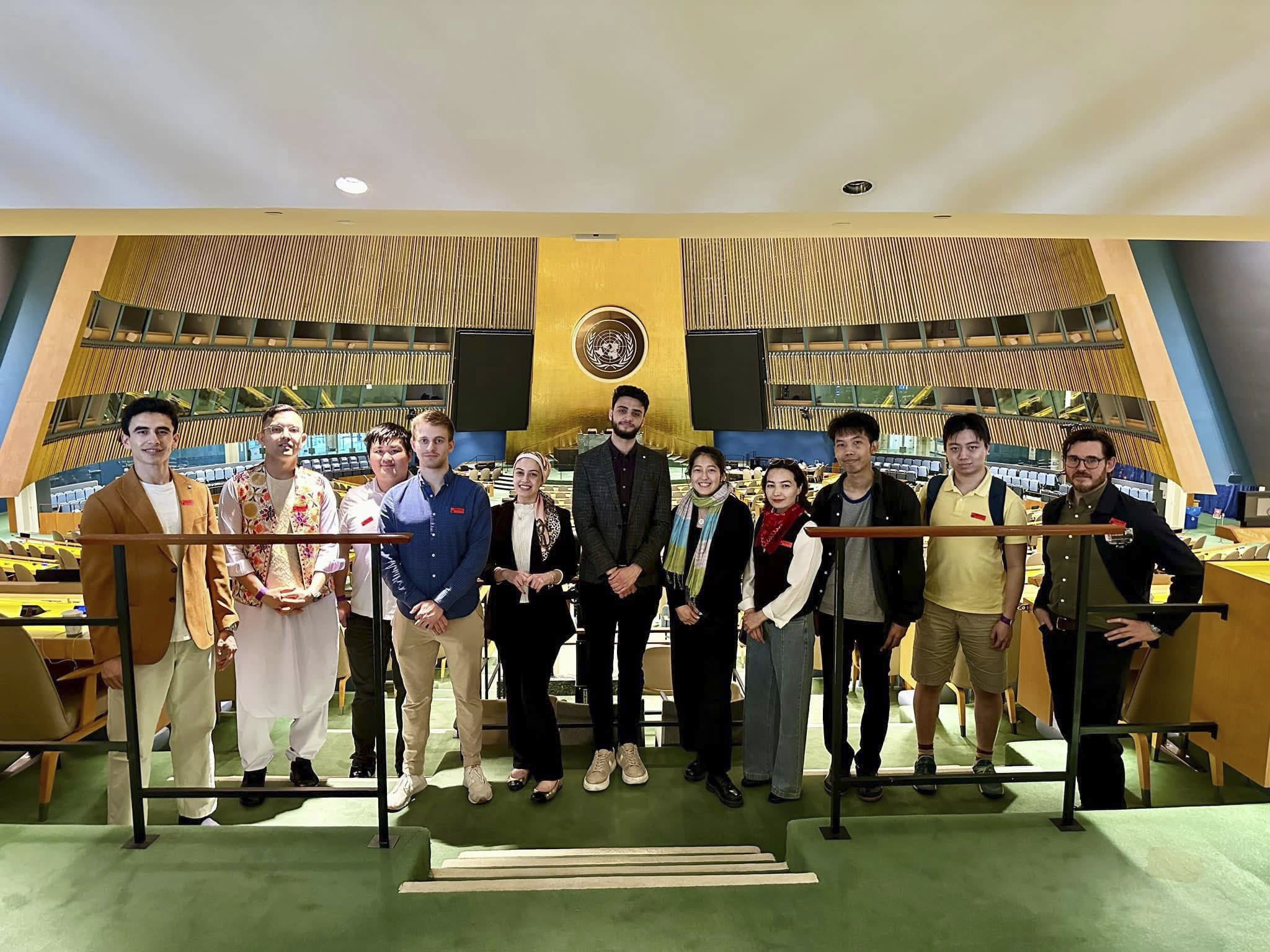
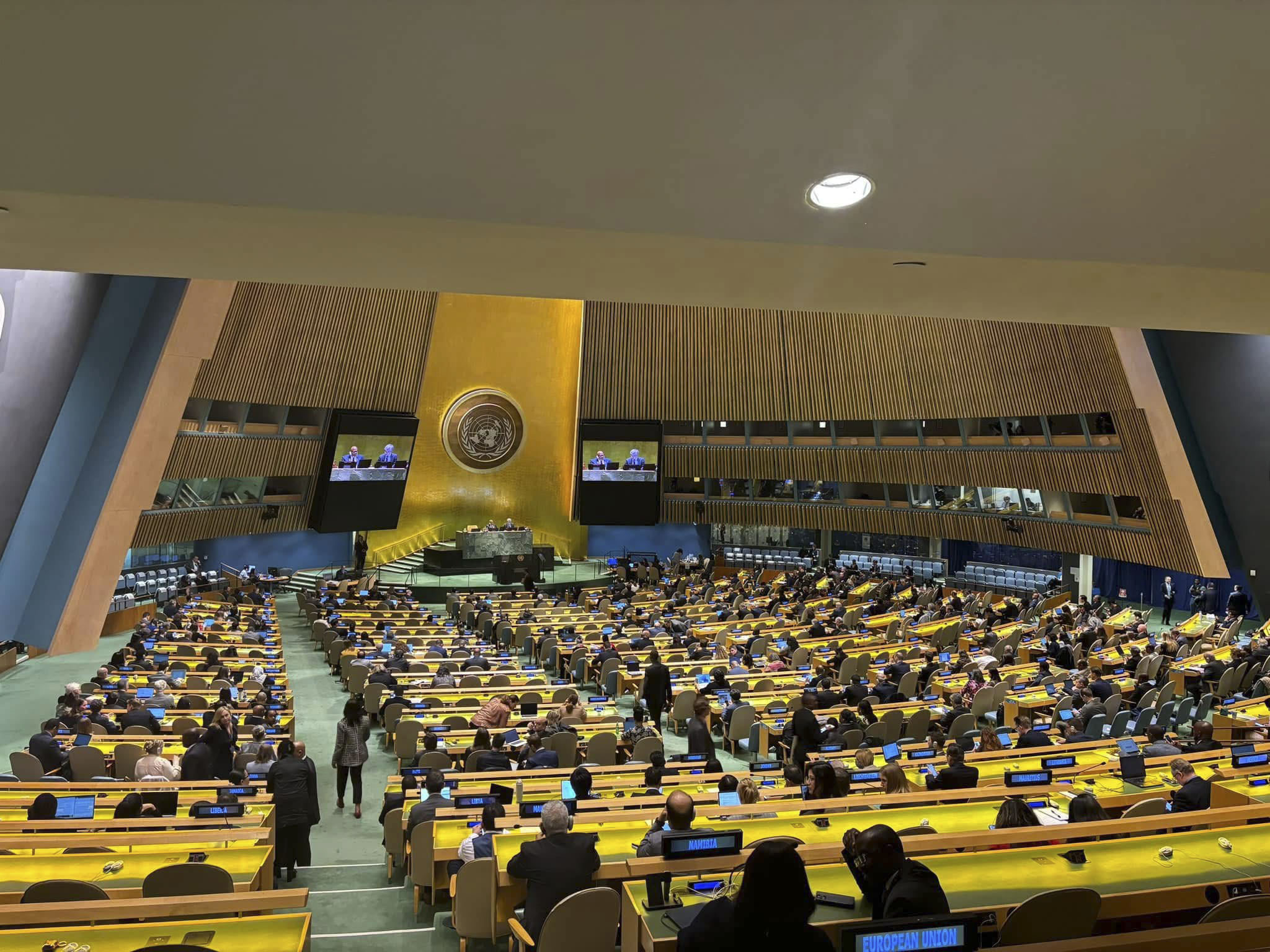
One of my most rewarding experiences was serving as an Advisor at the Mission of the State of Palestine to the United Nations in New York. In this role, I strengthened my expertise in international humanitarian law and advocacy, particularly concerning the impact of conflict on vulnerable populations, including women and children.
Supporting Palestinian ambassadors during high-level meetings at the United Nations General Assembly and Security Council enhanced my skills in research, reporting, communication, and navigating complex international environments.
Today, I work with the ICRC as a CTA Caseworker within the Gaza Search Team in the Protection Department's Tracing Unit. Our work focuses on reaching and identifying missing victims in Gaza and supporting efforts to reconnect families affected by conflict. This role requires close coordination across multiple departments and has deepened my experience in humanitarian response, case management, data systems, reporting, and protection work.
AQB: Looking back, how did your experience at AQB prepare you for these opportunities?
Heba: AQB shaped not only my academic interests but also my values and professional outlook. The college encouraged me to think critically, engage with complex issues, and develop a sense of responsibility toward my community and the wider world.
The skills I gained, from research and writing to communication and leadership, continue to guide my work every day. I have learned a big deal that learning does not end with finishing a degree, but a daily practice that requires commitment and dedication.
AQB: You also studied abroad. What was that experience like?
Heba: My time at AQB and abroad was one of the most transformative periods of my life.
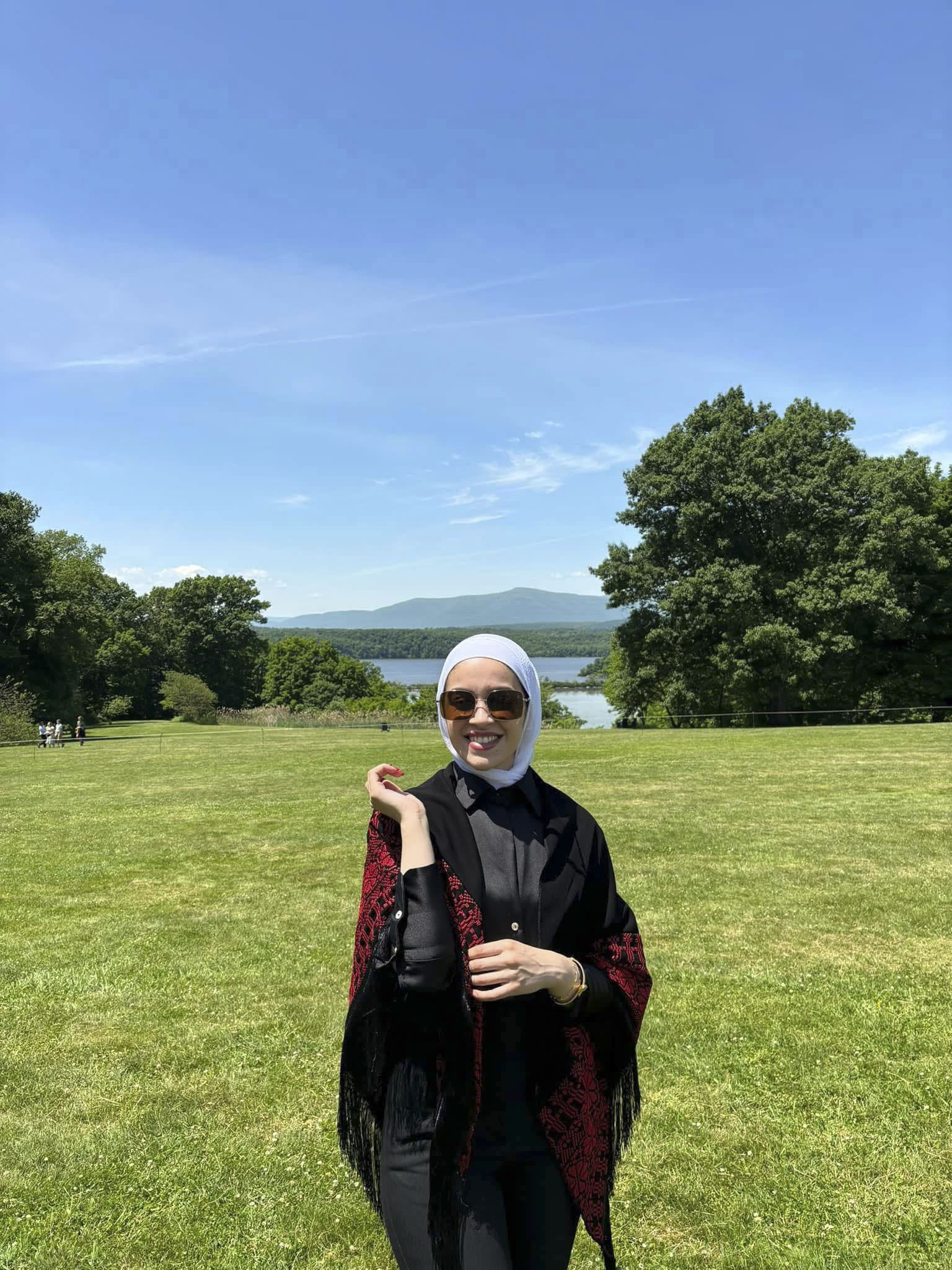
Studying at Bard College and later at Central European University exposed me to truly international environments where I met people from diverse cultures, backgrounds, and perspectives. I formed friendships that continue to this day and gained a much deeper appreciation for cultural diversity and global citizenship.
The experience also allowed me to travel extensively throughout the United States and Europe, exploring historical sites, museums, and communities that broadened my understanding of the world. More importantly, it strengthened my confidence, independence, adaptability, and ability to thrive in unfamiliar environments.
Looking back, my journey through AQB, Bard College, and CEU was much more than an academic experience, it was a life-changing chapter that shaped both my personal and professional identity.
AQB: What message would you share with the upcoming new AQB students?
Heba: Take advantage of every opportunity available to you. Explore subjects beyond your major, engage with different perspectives, and don't be afraid to step outside your comfort zone. The experiences you gain inside and outside the classroom can open doors you never imagined and help shape the person and professional you aspire to become.
Al-Quds Bard College is exceptionally proud of Heba's achievements and her dedication to advancing humanitarian principles and supporting affected communities. Her journey reflects the values of critical inquiry, social responsibility, and global engagement that define the AQB experience. We wish her continued success as she makes a meaningful impact through her work and service.

Mailing Address
Main Campus, Abu Dis, Jerusalem, Palestine.
Contact us via:
Phone: +970 (2) 279 4950 (6192)
Email: ba-admission@bard.alquds.edu